|
Getting your Trinity Audio player ready...
|
Since Nepal stepped out of monarchy in 2008, it has swung between hope and exhaustion. Promises of transformation gave way to revolving-door governments and deepening corruption. The republic that was meant to empower citizens instead ended up protecting a handful of elites, leaving ordinary people disillusioned and unheard.
Out of that fatigue, a new generation has risen. The recent Gen-Z protests were not sudden, they were years in the making. The government’s decision to restrict social media only triggered what was already boiling: frustration with unaccountable power, economic despair, and the widening gulf between leaders and the led.
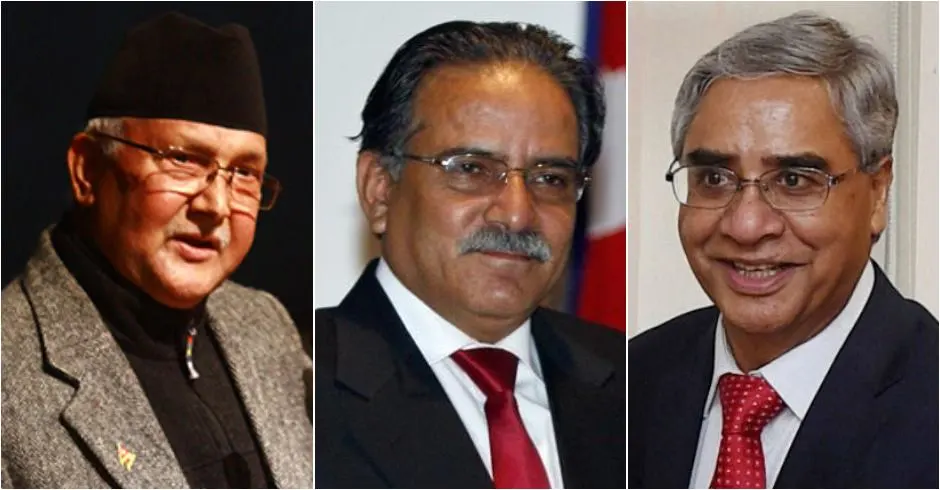
In post-monarchy Nepal, power merely changed hands, not character. The crown was replaced by party flags. Former prime ministers KP Oli of the CPN-UML, Pushpa Kamal Dahal ‘Prachanda’ of the Maoist Centre and Sher Bahadur Deuba of the Nepali Congress came to define national politics for nearly two decades. Through patronage networks, loyal circles and sympathetic media, they grew into towering figures, often treated as unchallengeable and indispensable.
That illusion was deliberate. It kept citizens small and the powerful safe. Over time, journalists softened, institutions bent, and party loyalists learned that silence was survival. The line between respect and submission faded. What remained was a quiet moral corrosion, power unrestrained by conscience.
So when the Gen-Z protests turned tragic, with dozens killed and hundreds injured, it wasn’t confusion that shook the country, it was recognition. Everyone knew the pattern. Responsibility would be blurred. Blame would be scattered. A commission would be announced. Justice would wait.
Two days of chaos demanded urgent compassion and swift accountability. Instead, the state hesitated. Even as lives were lost, political calculations took precedence. Faces stayed expressionless, statements came late, and the silence of those in power became unbearable.
How did we arrive here, where empathy has to be begged from those elected to serve? How did we nurture a culture where officials act only when their own safety is threatened? The cruelty is not only in bullets fired but in the coldness that permits them.
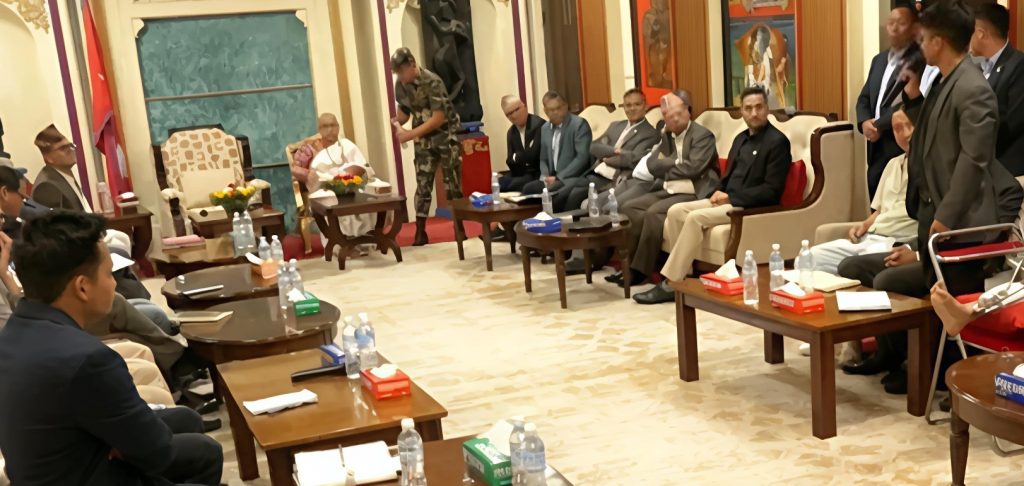
The destruction that followed, the burning, the looting, the anger, was not meaningless. It was the echo of long-ignored pain. When peaceful voices are dismissed, fury becomes the only language left. No conspiracy tale can hide the truth: arrogance, neglect, and indifference produced tragedy.
Condemnation alone is not justice. And justice without accountability is just another performance.
To the senior generation of politicians, the so-called architects of the republic, this moment is not for denial. If your decades in politics strengthened Nepal, that deserves respect. But if your ambition and rivalry left it weaker, you owe the people an honest reckoning. History does not forget, but it forgives those who face truth with humility.
To leaders like Oli, Prachanda, and Deuba, who each shaped the country’s political course since the end of the monarchy, the path of a dignified exit is still open – narrow, but not closed. True leadership now lies not in defending power, but in surrendering to accountability.
Corruption by leaders has hindered governance and frustrated Nepalis for decades
Notably, Sher Bahadur Deuba, to the surprise of many, announced his retirement from the Nepali Congress presidency on October 15. His first public appearance since being injured during the September 9 Gen-Z protest, where he was beaten and hospitalized, drew wide attention. His calm and measured address stood in stark contrast to KP Sharma Oli’s defiant posture. Yet his bizarre claim that the cash burned at his residence was ‘AI-generated’ exposed the very mindset that has corrupted Nepal’s leadership for decades. Still, the public saw in him a trace of humility that Oli visibly lacked. The fact remains, to stand before the people not as rulers but as accountable citizens would be an act of true statesmanship.
The old order is fading, and the transition is not gentle. The resignation of KP Oli after the September protests somehow marked the end of an era defined by political arrogance and the beginning of a fragile correction. The appointment of Sushila Karki, Nepal’s first woman chief justice and now its interim prime minister, offers a symbolic shift, a reminder that courage and integrity can still occupy the highest seat.
But one face cannot heal a broken system. Renewal will require an entirely new culture, one where institutions speak louder than individuals, and where compassion is not mistaken for weakness.
The youth who filled the streets are not driven by hatred; they are animated by hope, a demanding, impatient, uncompromising hope. They are not asking for perfection. They are asking for honesty. They want leaders who protect life before power, who value dignity over dominance, who see citizens not as subjects but as equals.
Nepal now stands at a turning point that will define its next generation. Will it continue to be a republic trapped in the habits of monarch, guarded by fear and entitlement, or will it finally become a democracy guided by conscience and compassion?
The answer lies not in the slogans of the streets or the speeches made by leaders, but in whether those who hold power can remember what they once promised: humanity above ambition, truth above convenience and justice above all.
If there is to be renewal, it must begin there.
