|
Getting your Trinity Audio player ready...
|
Kathmandu: In the aftermath of Nepal’s Gen Z protests, which erupted in early September 2025, families of the deceased are left grappling with profound loss and a desire for justice. The government’s declaration of the protesters as martyrs and the subsequent compensation have been met with mixed emotions. For many families, the financial assistance is insufficient to heal the wounds of their loss; they seek accountability and recognition of their loved ones’ sacrifices.
The Pain of Loss: Personal Stories from the Heartland
Bimal Bhatta, a 22-year-old from Gorkha, was among the first to be killed during the protests.
He had two bullets: one in the chest, one in the forehead. Friends rushed him to hospital, but he was declared dead on arrival.
Bimal’s mother remains unaware of his death due to her illness.
His cousin, Sujan Bhatta, recounted the tragic news:
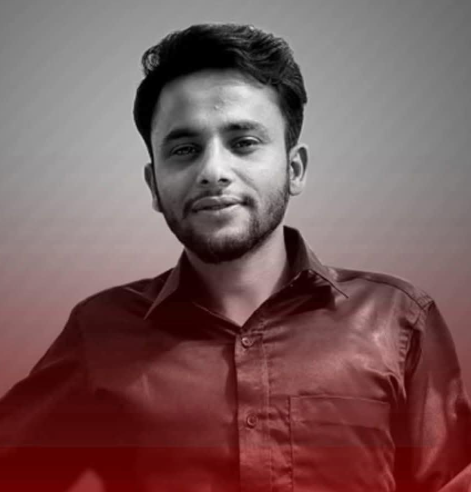
He collapsed right in front of Parliament. Friends tried to get him to the hospital, but he was pronounced dead upon arrival.
Sujan expressed the family’s dilemma:
She keeps asking to speak with him on the phone… We haven’t dared to tell her the truth.
Similarly, Arjun Bhatta and Ramesh Parajuli, both from Gorkha, lost their lives during the protests.
Arjun Bhatta was just 23 when police bullets cut him down near the Kalimati Police Circle. Born in Dhabe, Gorkha, but raised in Kathmandu, he lived with his father who runs a modest hotel in Kirtipur. His uncle Jit Bahadur shattered in tears:
He had only just returned from abroad, studying Japanese while helping with the family business. He was young, full of dreams, but everything ended in a moment.
Ramesh Parajuli was a shopkeeper in Kathmandu and the only son of aging parents in Palungtar. After a decade of toil in Dubai, he had come home to build a life and bring his parents to the city after Dashain. He dreamed of building a house for his parents, which will never rise.
Kathmandu’s Grief: Voices from the Capital
In Kathmandu, the pain is equally palpable. Dipesh Sunuwar, 19, was shot in the chest during the protests. His mother searched tirelessly for him in hospitals, only to learn of his death days later. His body was cremated with state honors, but the family’s sorrow remains.
“She came to know about his whereabouts only on Monday evening… Clinging to hope, she searched relentlessly…”
Rashik Khatiwada, another victim, was 19 years old. His aunt, Sneha, held up his photograph at a memorial service, stating:
It is tragic young blood is spilt because of the corruption of politicians. We ask the new government to punish those responsible… Our son is a martyr.
Protesters’ Voices: The Fight for Accountability
Survivors of the protests also share their experiences. Aayush Basyal, a 27-year-old master’s student, described the protest scenes:
The demonstration was unprecedented with the number of attendees… school and college students, some in their uniforms, many without any obvious political banner… by 1 pm the protest site was in chaos.
Sudipa Mahato, 20, another student present, said she saw tear gas shells, rubber bullets, and people scrambling for safety in narrow alleys.
We walked around the alleys to find a safe place.
Rachana Khare, 29, an English teacher, reflected on the broader implications:
Nepalis are hopeful that we will have a better government in place if this energy can be channelled into sustained pressure for institutional reform.
Government Response: Declarations and Investigations
The government’s response has been multifaceted. Home Minister Om Prakash Aryal announced that each martyr’s family would receive 1.5 million rupees, and the funerals would be conducted with national honors. The government ensured that the bodies were transported to the respective home addresses of the deceased, and for those from remote districts, it bore the transport and air travel costs.
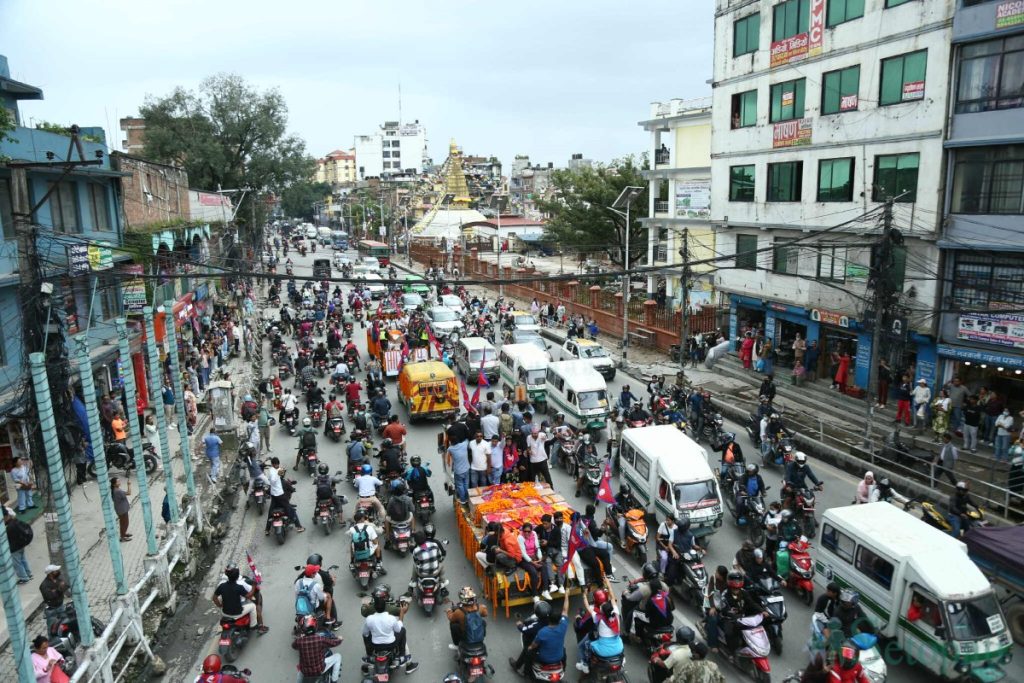
On September 17, a day of mourning was observed on September 17, with the national flag flown at half-mast.
Aryal emphasized the government’s commitment to investigating the use of force during the protests.
A judicial inquiry commission, led by former Supreme Court judge Gauri Bahadur Karki, has been established to investigate the incidents during the Gen Z movement. The commission’s full composition is yet to be finalized.
A National Reckoning: Calls for Justice and Reform
The families of the deceased are not merely seeking compensation; they demand justice and systemic reform. They want accountability for those responsible for the deaths and assurance that such events will not recur.
The government’s actions, including the establishment of the inquiry commission and the declaration of martyrs, are seen as steps toward addressing these demands. However, for many, true justice will only be achieved when those responsible are held accountable, and the underlying issues of corruption and governance are addressed.
